

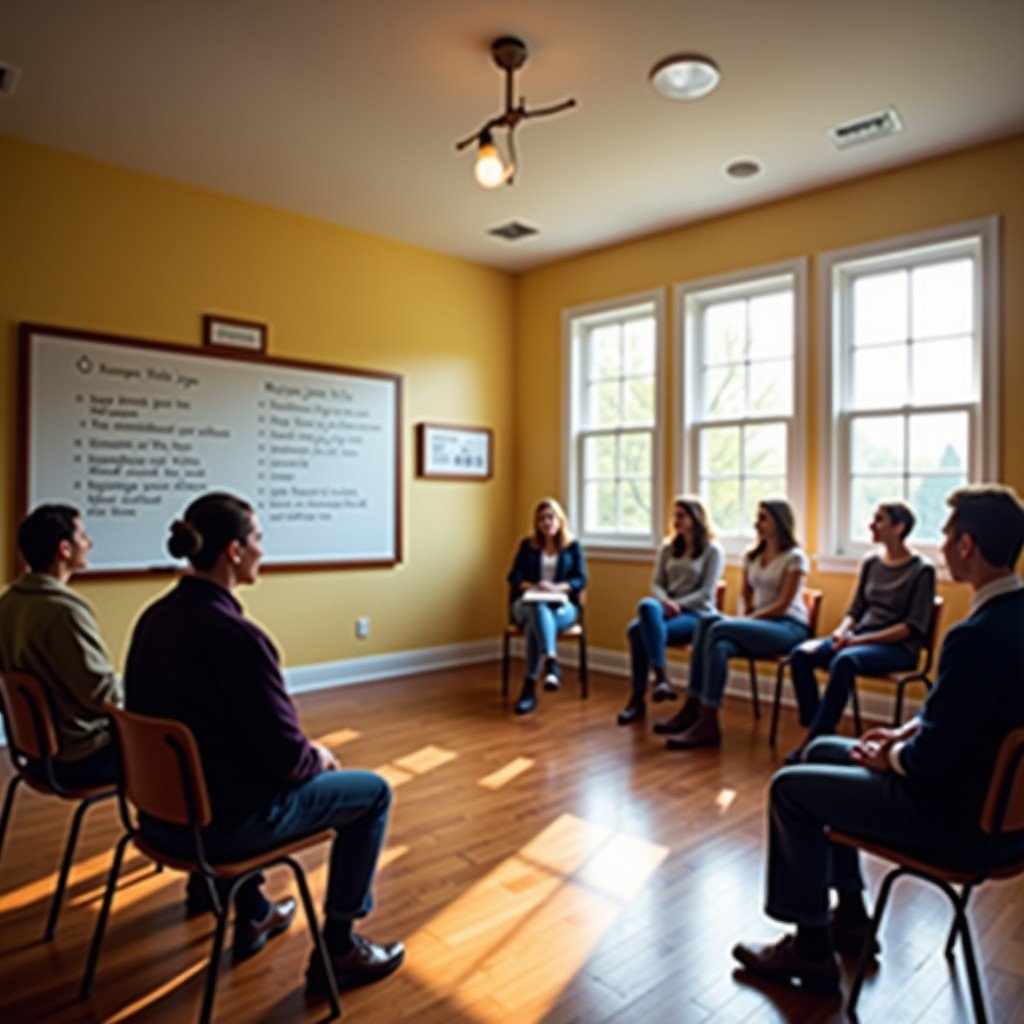
Starting a peer support group for spinal cord injury (SCI) survivors can be a transformative way to build community, share practical knowledge, and foster hope. Whether you are a survivor yourself, a caregiver, or a healthcare professional, creating a space where people can connect authentically is one of the most powerful tools for recovery. At Project Awaken, we believe that action is the cure to disability, and peer support is a vital action step. In this guide, we’ll walk through the benefits of peer support, steps to form a group, and how our existing model can help you get started.
Why Peer Support Matters for SCI Recovery
Research shows that peer support improves mental health, reduces hospital readmissions, and increases community participation after a spinal cord injury. When survivors talk to someone who has “been there,” they gain practical tips for navigating daily life—from bowel and bladder management to adaptive driving. More importantly, they realize they are not alone. A peer group offers a judgment-free zone to discuss frustrations and victories, which is essential for long-term quality of life.
Steps to Form Your Own Peer Support Group
1. Define Your Purpose and Format
Decide whether your group will be open or closed, in-person or virtual. Many SCI groups meet monthly, with a mix of structured discussion and open sharing. Set clear goals: Is it for emotional support, problem-solving, or social outings? Write a mission statement to guide your meetings.
2. Find Members
Start with your personal network—rehabilitation centers, physical therapy clinics, and adaptive sports programs are goldmines. Post flyers at local hospitals and use social media. Project Awaken’s Chicago Adaptive Sports & Disability Events Calendar is a great place to connect with active community members who might be interested in joining or co-facilitating.
3. Choose a Facilitator
A good facilitator keeps conversations on track, ensures everyone has a chance to speak, and handles conflicts with empathy. You can rotate facilitators among members or train a dedicated volunteer. Project Awaken’s support group model pairs experienced volunteers with new groups to provide mentorship.
4. Set Meeting Logistics
Pick a consistent day and time. For in-person meetings, choose an accessible location—check for ramps, wide doorways, and accessible restrooms. Virtual meetings via Zoom or similar platforms can increase participation for those with transportation barriers.
How Project Awaken’s Support Group Model Works
Project Awaken has built a collaborative community where disabled volunteers support others to get out of the house and into the community. Our model emphasizes peer-to-peer pairing, shared triumphs, and life hacks. We provide a framework for facilitators, including discussion topics like adaptive recreation, returning to work, and navigating healthcare. You can learn more about our approach by exploring our website and connecting with our team.
Resources for Facilitators
- Training: Look for free online courses on peer support from organizations like the Christopher & Dana Reeve Foundation.
- Discussion Topics: Rotate themes such as adaptive sports, relationships, advocacy, and managing secondary conditions. Use open-ended questions like “What’s one win you had this week?”
- Conflict Resolution: Set ground rules at the first meeting—confidentiality, respect, and no unsolicited advice. If disagreements arise, redirect the conversation to shared goals.
Promoting Your Group and Measuring Success
Spread the word through local hospitals, social media, and community bulletin boards. List your group on Project Awaken’s events calendar to reach a wider audience. To measure success, track attendance, ask for feedback, and celebrate milestones like the group’s anniversary. Success isn’t just numbers—it’s the stories of members who feel less alone and more empowered.
Take the First Step Today
Starting a peer support group may feel daunting, but you don’t have to do it alone. Project Awaken offers a ready-made community and resources to help you launch. Whether you need a co-facilitator, a venue, or just encouragement, reach out to us. And if you’re a woman with an SCI looking for practical solutions for daily challenges, check out our Easy Access Pants—designed to make catheterization easier and help you get back to living fully. Your group can be the spark that changes lives.
Frequently asked questions
What are the benefits of a peer support group for SCI survivors?
Peer support groups reduce isolation, provide practical advice on daily challenges, and improve mental health and quality of life through shared experiences and mutual encouragement.
How do I find members for my SCI support group?
Start by reaching out to local rehabilitation hospitals, adaptive sports programs, and online forums. Partnering with organizations like Project Awaken can connect you with motivated individuals.
What topics should we discuss in a support group meeting?
Common topics include managing medical needs, adaptive equipment, returning to work, relationships, and emotional resilience. Rotate topics based on member interest.
How can Project Awaken help me start a group?
Project Awaken offers a support group model, volunteer mentors, and a community calendar to promote your meetings. They can also share resources like discussion guides.
