

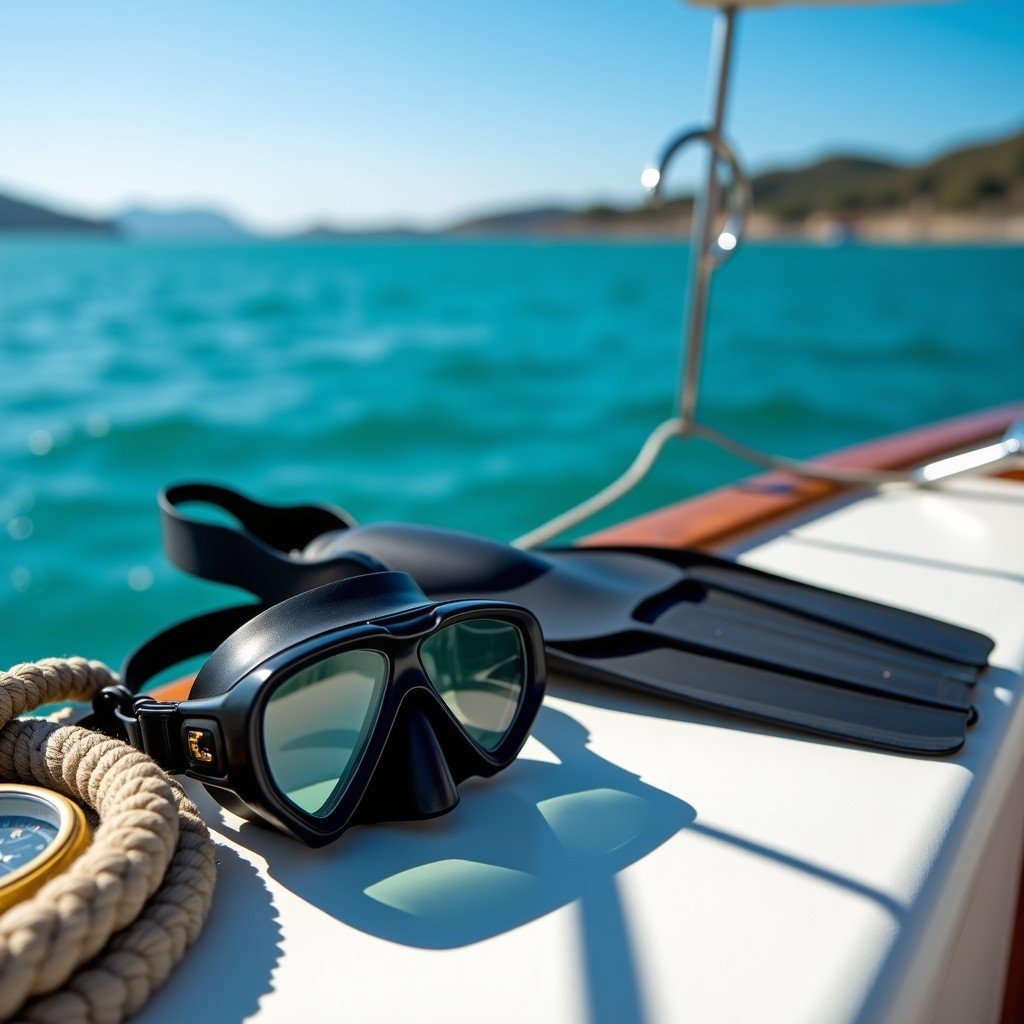
If you’re a diver who’s heard about patent foramen ovale (PFO), you might be wondering: is it safe to dive with a PFO? The short answer is yes, for most people, but it requires understanding the risks and taking precautions. This article breaks down what you need to know about diving with a PFO, based on guidelines from the Divers Alert Network (DAN) and other experts. Many divers with PFO continue to dive safely every year, but education and planning are key, and the decisions you make before and after each dive matter more than the diagnosis itself.
What Is a PFO?
A PFO is a small flap-like opening between the upper chambers of the heart (the atria) that remains open after birth. Before birth, this opening allows oxygenated blood from the placenta to bypass the lungs. After birth, it usually closes within the first year, but in about 25% of people, it stays open. This is a normal variant, not a disease. Most people with a PFO have no symptoms and never know they have it. The opening is often only discovered during a workup for migraine, stroke, or diving-related issues such as unexplained decompression sickness.
How a PFO Affects Diving
During a dive, nitrogen gas dissolves into your tissues. As you ascend, the pressure decreases, and nitrogen forms bubbles in the venous blood. Normally, your lungs filter these bubbles out. But if you have a PFO, under certain conditions, these bubbles can cross from the right atrium to the left atrium, bypassing the lungs and entering arterial circulation. This is called a right-to-left shunt, and it can lead to decompression sickness (DCS), particularly neurological or inner ear DCS. The mechanism is straightforward: venous gas emboli (VGE) form after every dive to some degree, even on conservative profiles. In a diver without a PFO, these bubbles are trapped in the pulmonary capillaries and gradually eliminated. With a PFO, a pressure gradient can push them through the opening, especially during activities that raise right atrial pressure, such as straining, coughing, or heavy lifting shortly after surfacing.
What Are the Risks?
According to DAN, the overall risk of DCS in recreational divers is about 3.6 cases per 10,000 dives. For neurological DCS, it’s 0.84 per 10,000 dives. Having a PFO increases that risk by about four-fold. However, even with a PFO, the absolute risk remains low. Some individuals with PFO seem to be at higher risk than others, which is why testing is recommended for certain divers. To put these numbers in perspective, a four-fold increase from 0.84 per 10,000 dives means roughly 3.4 neurological DCS cases per 10,000 dives for a diver with PFO. That is still less than one case per 3,000 dives. But the type of DCS matters: inner ear DCS and spinal cord DCS can have lasting consequences, so many divers choose to reduce risk further even when the absolute numbers seem reassuring.
Should You Get Tested?
Routine screening for PFO is not recommended for all divers. The joint guidelines from DAN, SPUMS, and UKSDMC suggest testing if you have:
- More than one episode of DCS
- Neurological or cutaneous DCS without other explanation
- Inner ear DCS
- A history of migraine with aura (though this is debated)
If you fit these criteria, a bubble study (an echocardiogram with agitated saline) can confirm a PFO. A bubble study involves injecting agitated saline into a vein while an echocardiogram watches the heart. If bubbles appear in the left atrium within three cardiac cycles, a PFO is likely. The test is non-invasive, low-risk, and usually done in a cardiology office. Some divers also request testing for peace of mind before a major dive trip, but talk to your doctor about whether that is necessary.
How to Dive Safely with a PFO
If you have a PFO, you can still enjoy diving by following conservative practices:
- Stay within no-decompression limits
- Use longer surface intervals
- Avoid close looks (below 20 meters/66 feet)
- Limit repetitive dives
- Avoid strenuous exercise during and after dives
- Consider enriched air (nitrox) to reduce nitrogen load
These measures reduce the number of bubbles your body produces, lowering the chance of a shunt. For example, a diver with PFO might plan a single 18-meter dive on nitrox 32 with a surface interval of at least two hours before any second dive, and avoid lifting heavy gear right after the dive. Another practical tip is to ascend slowly and perform a safety stop at 5 meters for three to five minutes on every dive, even if not required. Staying well hydrated before and after diving also helps your body eliminate nitrogen more efficiently. Alcohol and dehydration can increase bubble formation, so skip the post-dive beer until you have fully rehydrated and several hours have passed.
What About PFO Closure?
Some divers opt for PFO closure, a minimally invasive procedure that seals the opening. It’s an outpatient procedure that takes less than an hour. Studies show it can reduce the risk of DCS, but it’s not without risks, such as infection or device complications. It’s a personal decision that should be made with a cardiologist experienced in diving medicine. Closure is usually done via a catheter through the groin, with a small device placed in the septum. Recovery is quick, and many divers return to the water after a few weeks, but long-term data on diving after closure is still evolving. Some insurance plans may not cover closure for diving alone, so cost and medical necessity should be discussed with your care team.
Personal Perspective: Staying Active with a Disability
At Project Awaken, we believe that action is the cure to disability. Whether you’re diving, hiking, or simply getting out of the house, we support you in finding ways to stay active. If you have a PFO, don’t let it stop you from exploring the underwater world. With proper precautions, you can dive safely. The same conservative approach that keeps PFO divers safe also benefits anyone who wants to reduce bubble load, whether due to age, fitness level, or a past DCS.
For women with mobility challenges, we also offer Easy Access Pants, designed to make bathroom breaks easier during outdoor adventures, so you can focus on the experience, not the logistics.
Resources for Divers
If you’re looking for adaptive sports and events, check out the Chicago Adaptive Sports & Disability Events Calendar. You’ll find scuba, cycling, and more opportunities to stay active and connected.
Final Thoughts
Diving with a PFO is safe for most, provided you understand the risks and take precautions. If you’ve had unexplained DCS, get tested. If you have a PFO, talk to a diving medicine specialist about your options, including conservative dive planning or closure. And remember, you can still lead an active life, both in and out of the water.
For more information on PFO and diving, refer to the DAN guidelines.
Ready to get back in the water? Explore our adaptive events and gear to support your next adventure. Visit Easy Access Pants to see how we’re making outdoor activities more accessible.
Frequently asked questions
What is a PFO?
A patent foramen ovale (PFO) is a small flap-like opening between the upper chambers of the heart that fails to close completely after birth. It’s present in about 25% of people and is considered a normal variant, not a disease.
How does a PFO affect diving?
A PFO can allow venous gas bubbles (formed during ascent) to bypass the lungs and cross to the arterial side, increasing the risk of decompression sickness, especially neurological or inner ear DCS.
Should I get tested for a PFO before diving?
Routine screening is not recommended for all divers. Testing is considered if you’ve had more than one episode of DCS, or if you’ve had unexplained neurological or cutaneous DCS, as per DAN and SPUMS guidelines.
Can I still dive if I have a PFO?
Yes, many divers with PFO dive safely by following conservative dive profiles, limiting depth and bottom time, and avoiding strenuous exercise during dives. Some may choose to have the PFO closed, but that’s a personal decision.
What is a PFO closure?
PFO closure is a minimally invasive outpatient procedure where a device is placed to seal the opening. It takes less than an hour and can reduce the risk of DCS, but it’s not without risks and should be discussed with a specialist.
